Your Complete Guide to Honda CR‑V Transmission Fluid
If you own a Honda CR‑V, the phrase “transmission fluid” probably pops up every time you hear a whirring noise or see a service reminder light. It’s not just another fluid in the garage; it’s the lifeblood that lets your CVT (continuously variable transmission) shift smoothly, keep the engine’s power where it belongs, and protect against premature wear. In this article we’ll walk through everything you need to know about Honda CR‑V transmission fluid—from the right type and how often to change it, to simple DIY checks and warning signs that signal trouble.
Why Transmission Fluid Matters
Unlike engine oil, transmission fluid does more than lubricate. It also transmits hydraulic pressure that controls gear ratios, cools internal components, and helps seal the system against contaminants. In a CVT, the fluid’s viscosity and additives are especially critical because the transmission relies on a steel‑belt and pulleys rather than traditional gears. Using the wrong fluid or neglecting regular changes can lead to slipping, delayed acceleration, or even catastrophic failure.
Which Fluid Does Honda Recommend?
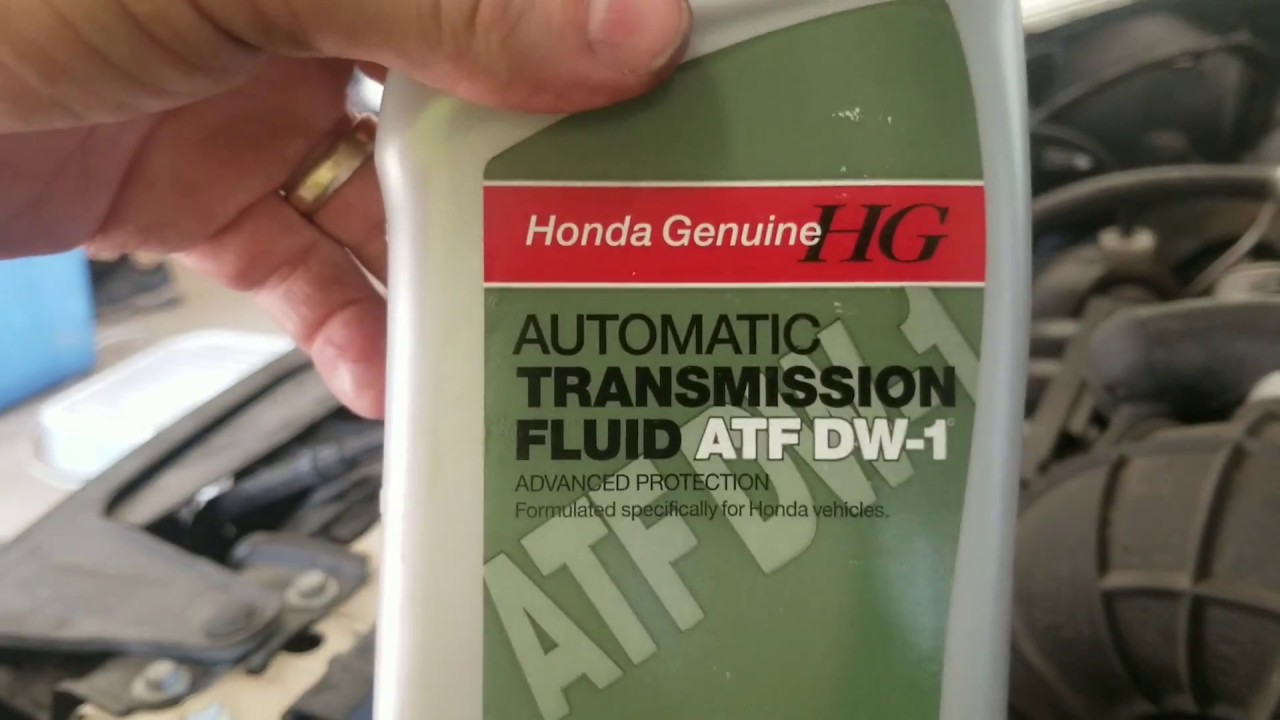
Honda specifies a proprietary fluid for the CR‑V’s CVT, identified on the bottle as Honda CVT Fluid (sometimes labeled “Honda HCF‑2”). This fluid meets strict standards for shear stability and low‑temperature flow, ensuring the belt can handle the constant stress of variable gear ratios.
- OEM fluid: Always the safest bet. It’s formulated to work with the exact tolerances of Honda’s design.
- Approved alternatives: Some reputable brands (e.g., Mobil 1, Dexron‑VI) offer “CVT‑compatible” blends that meet Honda’s specifications, but you should verify the label for “Honda CVT Fluid” or “HCF‑2” compliance.
- What to avoid: Traditional automatic transmission fluids (ATF) or “Dexron‑III” types lack the necessary friction modifiers and can cause belt wear.
When to Change the Fluid
Honda’s service schedule traditionally calls for a CVT fluid change every 30,000 to 60,000 miles, depending on driving conditions. If you frequently tow, drive in extreme heat, or navigate stop‑and‑go traffic, lean toward the shorter interval.
Here’s a quick timeline most owners find helpful:
- Every 30,000 mi (or 48 months) – for severe‑use environments.
- Every 45,000 mi (or 60 months) – typical for mixed‑city/highway driving.
- Every 60,000 mi (or 72 months) – when the car is primarily highway cruising and the climate is moderate.
Never skip the fluid change just because the mileage is low; the fluid can degrade over time even without heavy use.
How to Change the Fluid Yourself
Changing the CVT fluid isn’t as intimidating as it sounds, but it does require a few tools and a bit of patience. Follow these steps if you’re comfortable working under the car:
- Gather supplies: Honda CVT Fluid (check the owner’s manual for the exact volume, usually about 4–5 quarts), a drain pan, funnel, socket set, and a new transmission filter if your model has one.
- Warm up the engine: Run the car for a few minutes so the fluid thins out, making it easier to drain.
- Lift the vehicle: Securely jack up the front and place jack stands. Never rely on a single jack.
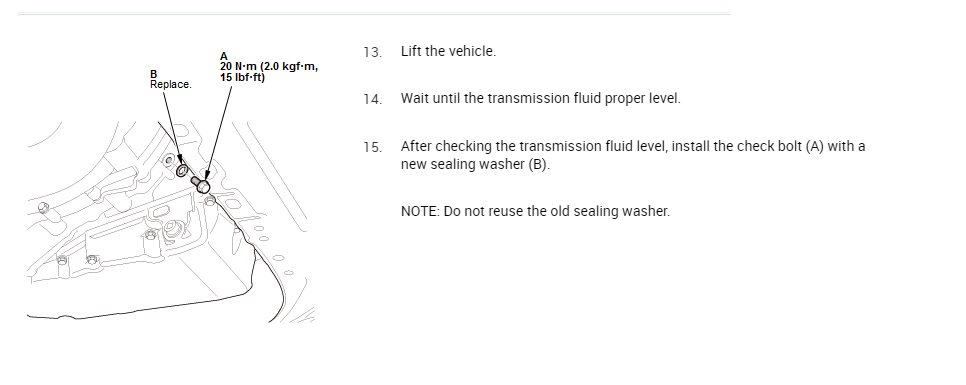
- Locate the drain plug: It sits at the bottom of the transmission case. Place the drain pan beneath it and remove the plug. Allow the fluid to fully exit—this can take several minutes.
- Replace the filter (if applicable): Some newer CR‑V models have a replaceable filter. Remove the old filter, clean the housing, and install a new one.
- Reinstall the drain plug and lower the car.
- Fill with fresh fluid: Using a funnel, pour the recommended amount of Honda CVT Fluid through the filler tube (usually located near the dipstick). Do not overfill; a slight underfill is safer than spilling into the engine.
- Check the level: Start the engine, let it idle, shift through the gears, then turn it off. Pull the dipstick, wipe it clean, re‑insert, and pull again. The fluid should sit within the “full” range markings.
How to Check Fluid Level and Condition
Even if you’re not changing the fluid, a quick visual check can reveal early signs of trouble. With the car parked on level ground and the engine warm, locate the dipstick (often labeled “Transmission”). Pull it out, wipe it, reinsert, and withdraw again. The fluid should be a clear, reddish‑amber hue. If it looks dark, gritty, or has a burnt smell, it’s time for a change.
Another simple test: look for foam or bubbles on the dipstick. Excessive aeration can indicate a leak or a worn pump, both of which merit professional attention.
Common Issues Linked to Fluid Problems
Below are the most frequent symptoms that point back to the transmission fluid:
- Shudder or hesitation during acceleration – often caused by degraded fluid losing its friction properties.
- Delayed gear engagement – the CVT may struggle to find the correct ratio if the fluid is too thick.
- Unusual noises, such as whining or clanking, especially at low speeds – a sign the fluid isn’t providing enough lubrication.
- Transmission warning light on the dash – modern CR‑Vs have sensors that monitor fluid temperature and pressure.
Addressing these signs early—by topping off or replacing the fluid—can save hundreds of dollars in repair costs.
Professional Service vs. DIY
While many owners successfully change their own fluid, a dealership or trusted shop offers a few advantages: a calibrated flush machine that removes every last trace of old fluid, a precise filter replacement, and a diagnostic scan to verify that the transmission’s electronic controls are happy. If you notice persistent shuddering after a fluid change, it’s wise to let a professional run a scan.
FAQ
How often should I check the transmission fluid in my Honda CR‑V?
At least once a year, or every 5,000 mi if you drive in extreme conditions. A quick dipstick check takes less than five minutes and can catch problems early.
Can I mix Honda CVT Fluid with another brand’s fluid?
Mixing fluids is not recommended. Different formulations can interfere with each other’s additives, potentially compromising the CVT’s performance.
What does a burnt smell from the transmission fluid indicate?
A burnt odor usually means the fluid has overheated, which can be caused by low fluid level, a failing pump, or excessive load. Stop driving and have the system inspected promptly.
Is it safe to drive my CR‑V with low transmission fluid?
Driving with low fluid risks severe damage. The CVT relies on fluid pressure for gear changes; insufficient fluid can lead to slipping, loss of power, and costly repairs.