Full‑Body Itching: Common Causes and Effective Relief
Understanding Full‑Body Pruritus
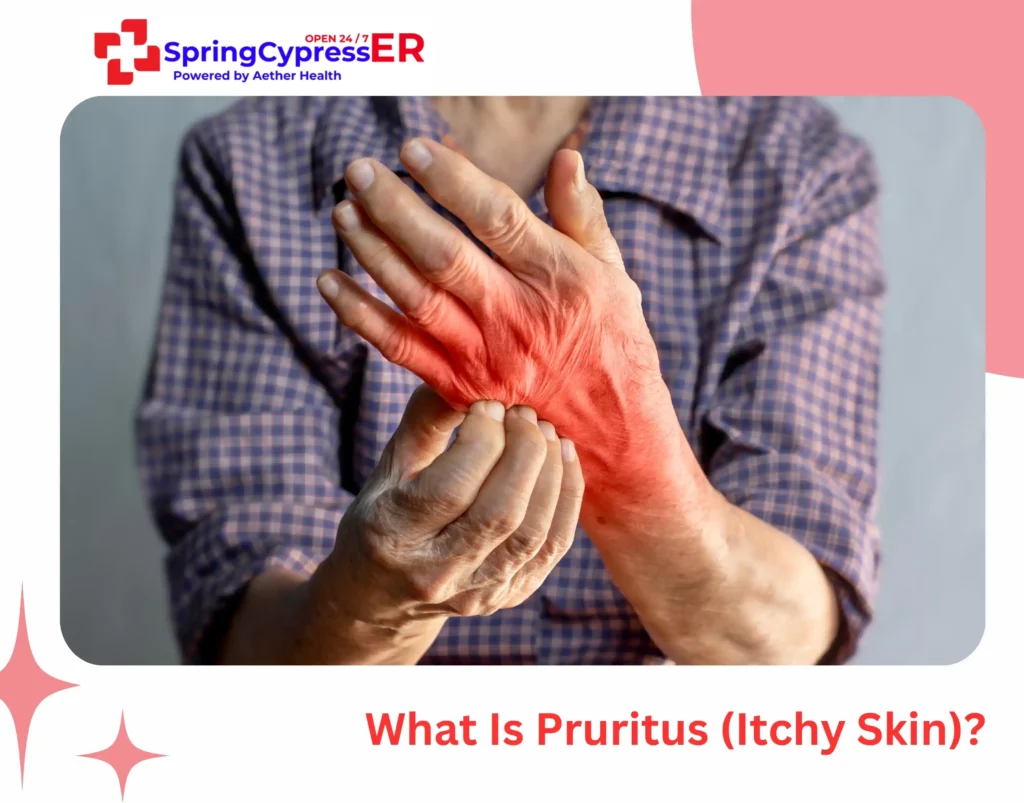
When an itch spreads across large areas of skin, it can feel almost maddening. This sensation, medically known as full-body pruritus, isn’t just a minor annoyance; it often signals an underlying issue that deserves attention. While occasional chills or a brief rash are normal, persistent itching that involves the arms, legs, torso, and even the scalp suggests something more systemic at play.
Medical Conditions That Trigger Widespread Itching
Several health problems can produce a generalized itch, and pinpointing the cause is the first step toward relief.
- Kidney disease – When kidneys fail to filter waste efficiently, toxins accumulate and can irritate nerve endings, leading to a persistent, often nocturnal itch.
- Liver disorders – Conditions such as cirrhosis or hepatitis raise bile salts in the bloodstream, which may deposit in the skin and provoke itching.
- Thyroid imbalance – Both hyper‑ and hypothyroidism can alter skin texture and moisture, making it more prone to irritation.
- Hematologic issues – Iron‑deficiency anemia or certain lymphomas are known to cause pruritus without an obvious rash.
- Neurological diseases – Multiple sclerosis, neuropathy, or spinal cord injuries can misfire itch signals, creating a sensation that seems to cover the whole body.
Skin‑Related Factors That Spread Everywhere
Even though the root may be internal, skin conditions often amplify the feeling of a full-body itch.
- Dry skin (xerosis) – Particularly common in colder climates, severe dryness disrupts the skin’s barrier, allowing irritants to trigger itch receptors.
- Eczema (atopic dermatitis) – While eczema typically appears in patches, severe cases can flare across large surfaces, especially during stress spikes.
- Contact dermatitis – Repeated exposure to a new detergent, fabric softener, or even a fragrance can sensitize the skin, leading to a widespread reaction.
Lifestyle and Environmental Influences
Sometimes the cause isn’t a disease at all, but everyday habits that subtly aggravate the skin.
- Hot showers – Short bursts feel soothing, but prolonged exposure strips natural oils, leaving skin itchy once you step out.
- Clothing choices – Rough fabrics like wool or tightly woven synthetics can trap heat and sweat, creating a perfect itch‑inducing environment.
- Stress and anxiety – The brain‑skin connection is real; heightened cortisol can increase histamine release, which intensifies itching.
- Medication side effects – Opioids, antibiotics, and some blood pressure drugs list pruritus as a possible adverse reaction.
When to Seek Professional Help
Not every itch warrants a doctor’s visit, but certain red flags should prompt an appointment.
- The itch persists for more than two weeks without improvement.
- It disrupts sleep or daily activities.
- Accompanying symptoms appear, such as jaundice, weight loss, fever, or a visible rash.
- You notice swelling, redness, or pain alongside the itch.
In these cases, a clinician may order blood work, imaging, or skin biopsies to rule out systemic disease.
Practical Ways to Soothe the Itch at Home
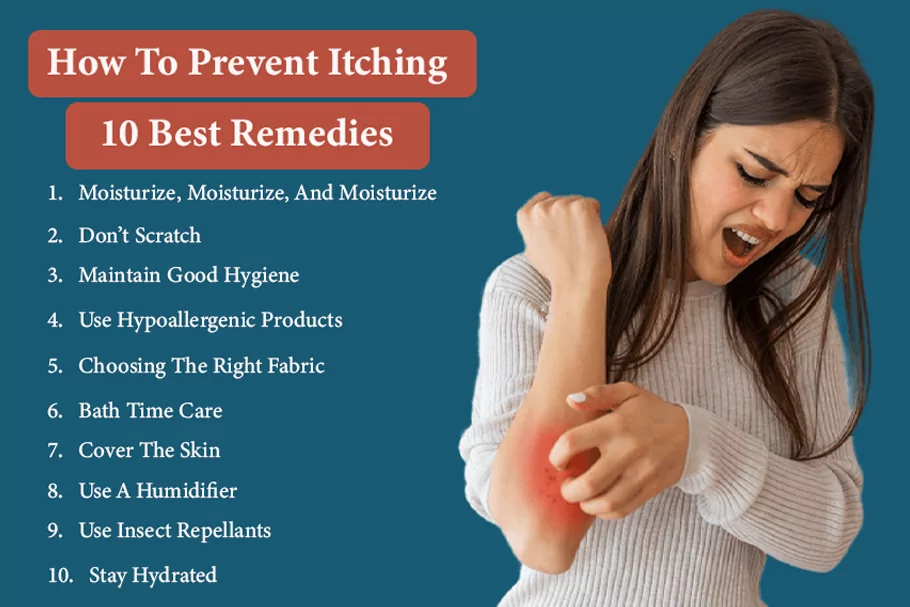
While you’re figuring out the underlying cause, several low‑tech strategies can bring immediate comfort.
- Cool compresses – Applying a damp, cool cloth for a few minutes can calm nerve endings without over‑drying the skin.
- Moisturize wisely – Opt for fragrance‑free ointments or thick creams (e.g., petroleum jelly) applied right after bathing to lock in moisture.
- Gentle cleansing – Use lukewarm water and mild, pH‑balanced soaps; avoid scrubbing.
- Anti‑itch baths – Adding colloidal oatmeal or a cup of baking soda to a lukewarm bath can reduce inflammation.
- Stay hydrated – Drinking enough water helps maintain skin hydration from the inside out.
Topical and Systemic Treatments
If home remedies fall short, medical options exist.
- Topical corticosteroids – Low‑potency creams can reduce inflammation for localized flare‑ups.
- Antihistamines – Over‑the‑counter options like cetirizine or diphenhydramine help when histamine is a major player, especially at night.
- Prescription moisturizers – Products containing ceramides or urea can rebuild the skin barrier more effectively than standard lotions.
- Systemic medications – For chronic pruritus linked to liver or kidney disease, doctors may prescribe bile‑acid binders, gabapentin, or even low‑dose antidepressants that modulate nerve signaling.
- Phototherapy – Controlled exposure to UVB light has shown benefit in refractory itching, particularly when skin conditions like psoriasis are involved.
FAQ
What’s the difference between an itch and a rash?
An itch is a sensation that prompts you to scratch, while a rash is a visible change in skin color or texture. You can have itching without a rash, especially when internal organs are the source.
Can diet affect full‑body itching?
Yes. Foods high in histamine (aged cheese, fermented products) or those you’re allergic to can trigger systemic itching. Some people find relief by limiting alcohol and caffeine, which can dehydrate skin.
Are there any natural remedies that really work?
Evidence supports colloidal oatmeal baths, coconut oil for moisturization, and topical applications of aloe vera for mild soothing. These aren’t cures but can complement medical treatment.
How long does it usually take for medication to reduce pruritus?
Response time varies. Antihistamines may start working within an hour, while systemic drugs like gabapentin can take several days to a couple of weeks to show noticeable improvement.