What You Need to Know About Italy’s Free Healthcare
When you hear “free healthcare in Italy,” the first image that often pops up is a universal safety net where anyone can walk into a hospital and receive treatment at no cost. The reality is a bit more nuanced, but the core idea remains: residents enjoy comprehensive, tax‑funded medical coverage that removes most financial barriers. Below we break down how the system works, who qualifies, which services are truly free, and what you should keep in mind if you’re moving to or visiting Italy.
Why Italy’s System Is Often Called “Free”
The Italian National Health Service (Servizio Sanitario Nazionale, or SSN) is financed primarily through general taxation and regional contributions. Because there’s no direct monthly premium for most citizens, the service feels “free” at the point of use. In practice, a small co‑payment—known as the ticket—applies to certain outpatient visits, specialist consultations, and prescription medicines. These fees are modest compared to private insurance bills, and many low‑income households are exempt.
Who Is Eligible for Coverage
Eligibility hinges on legal residency rather than citizenship. If you hold an Italian residence permit, a European Union passport, or are a long‑term non‑EU resident with a valid work or study visa, you can register for the SSN. The process typically involves:
- Obtaining a codice fiscale (tax code), which functions like a social security number.
- Registering at your local ASL (Azienda Sanitaria Locale) office.
- Choosing a primary care physician (medico di base) who becomes your first point of contact.
Tourists and short‑term visitors are not covered under the SSN, though emergency care is provided to anyone in need, regardless of status.
What Services Are Actually Covered
The SSN offers a broad spectrum of care, from preventive screenings to complex surgeries. However, not everything is entirely free; understanding the distinctions helps avoid surprises.
Primary Care and Hospital Care
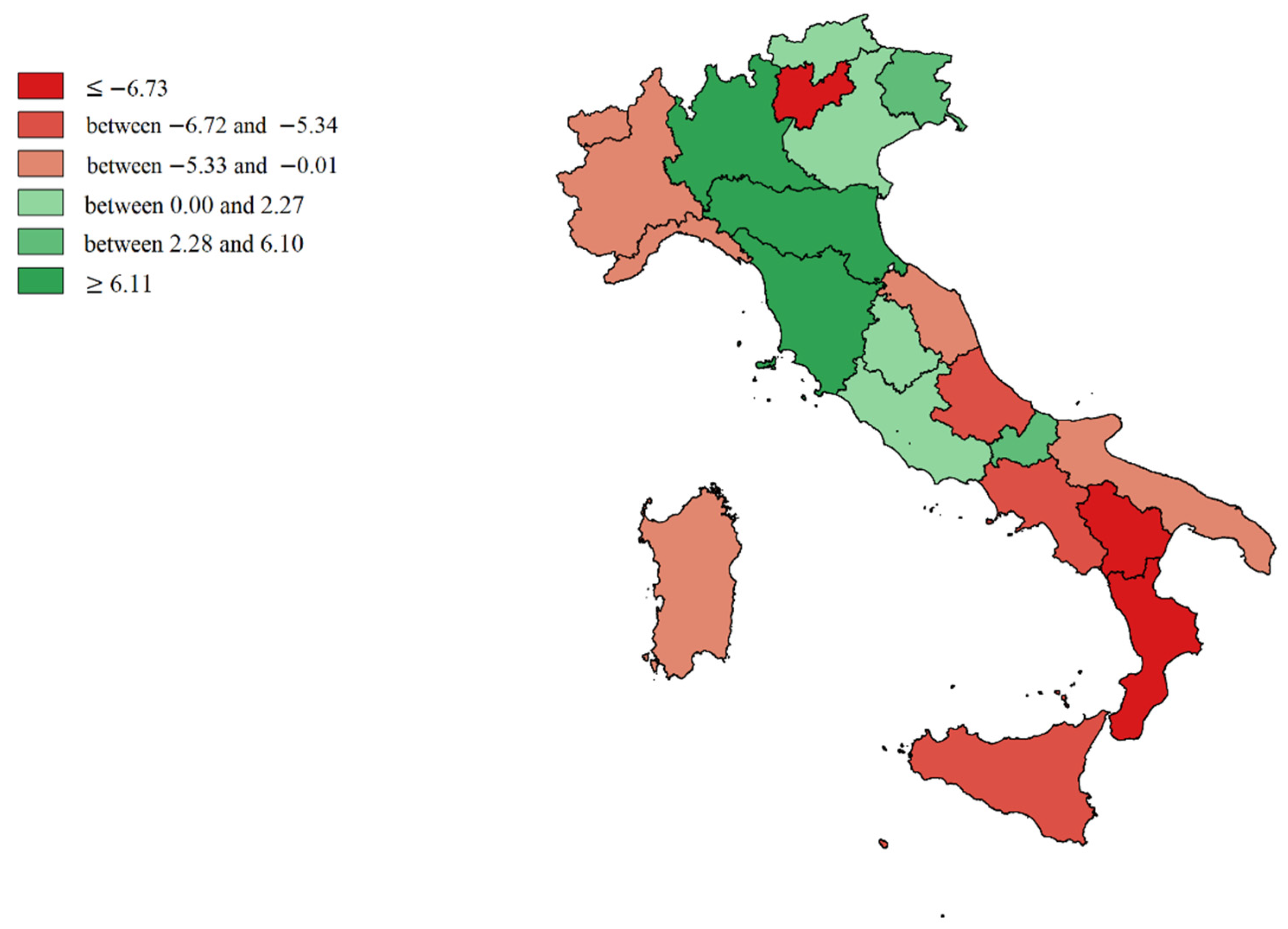
Visits to your medico di base are fully reimbursed, as are hospital admissions, emergency treatments, and most specialist referrals when they follow a primary‑care recommendation. The system emphasizes regional autonomy, so wait times and service quality can vary between the north and the south.
Prescription Drugs and Co‑Payments
Prescription medicines are partially covered. The patient pays a ticket that ranges from 0 % to 36 % of the drug’s price, depending on income, age, and the therapeutic class of the medication. Certain categories—like life‑saving treatments for chronic diseases—are exempt from any fee.
Dental, Vision, and Alternative Therapies
Dental care, eyeglasses, and most alternative treatments (e.g., acupuncture) fall outside the core SSN package. Some regions subsidize basic dental procedures for children, but adults usually pay out‑of‑pocket or rely on supplemental private insurance.
How to Register and Use the System
First, secure your codice fiscale—you can get it at a local tax office (Agenzia delle Entrate) or through an Italian consulate abroad. Next, head to the nearest ASL with your passport, residence permit, and proof of address. The staff will issue a health card (Tessera Sanitaria) that doubles as your European Health Insurance Card (EHIC) for travel within the EU.
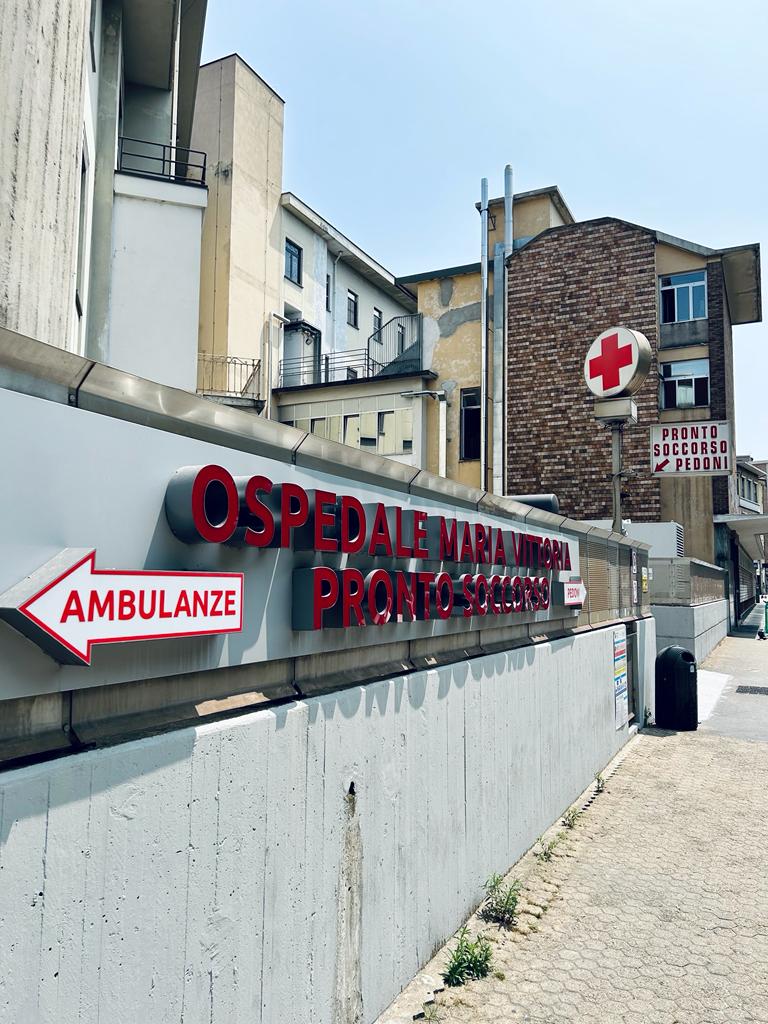
When you need medical attention, start with your medico di base. They’ll assess your condition and, if necessary, refer you to a specialist or hospital. For emergencies, dial 118 and you’ll be routed to the nearest appropriate facility, where the SSN covers all urgent care.
Common Misunderstandings
Many people assume “free” means no paperwork or limits. In truth, the system relies on a bureaucratic framework that includes registration, referrals, and occasional waiting lists. Another myth is that the quality of care is uniformly high; regional disparities can affect waiting times, especially for elective surgeries. Finally, some believe that expatriates can’t access the SSN—once you meet the residency requirements, you’re treated the same as any Italian citizen.
Tips for Expats and Long‑Term Visitors
- Check regional variations. Northern regions like Lombardy often have shorter wait times for specialist appointments, while southern areas may experience longer queues.
- Consider supplemental private insurance. It can cover dental, vision, and faster access to certain specialists.
- Keep your health card handy. You’ll need it for prescriptions, specialist visits, and when using the EHIC abroad.
- Stay informed about ticket exemptions. Low‑income families, seniors over 65, and patients with chronic conditions frequently qualify for reduced or zero co‑payment.
Frequently Asked Questions
Is there any cost at the hospital? For emergency admissions and most inpatient procedures, the SSN covers the full cost. Elective surgeries may involve a modest ticket, especially if the procedure is not deemed medically urgent.
Can I use the SSN for a private doctor? The SSN only reimburses services provided within the public network or by private providers with a contract (known as “accordo”). Visiting a completely private clinic means you’ll pay the full fee and can later claim a partial reimbursement, subject to strict criteria.
What happens if I lose my health card? Report the loss to your local ASL. They’ll issue a replacement within a few days. In the meantime, your codice fiscale and a temporary document can be used for urgent care.
Do tourists receive any free medical care? While tourists are not enrolled in the SSN, EU citizens can present their EHIC for necessary medical treatment under the same conditions as residents. Non‑EU visitors receive emergency care regardless of insurance, but they’re billed afterward.