Why Your Toes Won’t Spread—and Simple Ways to Improve Flexibility
Ever catch yourself trying to spread your toes and feeling like a brick wall is in the way? That frustrating resistance isn’t just a quirky quirk; it’s often a sign that something in your foot mechanics needs attention. Whether you’re a dancer, a runner, or simply someone who enjoys a barefoot stroll, understanding why your toes won’t spread can open the door to healthier, more agile feet.
Understanding Toe Mobility
Each toe is a tiny lever attached to a complex network of bones, ligaments, and muscles. When you spread them, you’re engaging the intrinsic foot muscles that help stabilize the arch and absorb shock. Over time, those muscles can become weak or shortened, reducing the range of motion. The result is the familiar sensation of “stiff” or “locked” toes.
Common Culprits Behind Stiff Toes
Several everyday factors conspire to limit toe spread:
- Footwear that squeezes. Narrow shoes, high heels, and flip‑flops force the toes into cramped positions, gradually shortening the soft tissues.
- Tight calf and Achilles tendons. When the calf muscles are inflexible, they pull the foot into a plantar‑flexed stance, limiting toe extension.
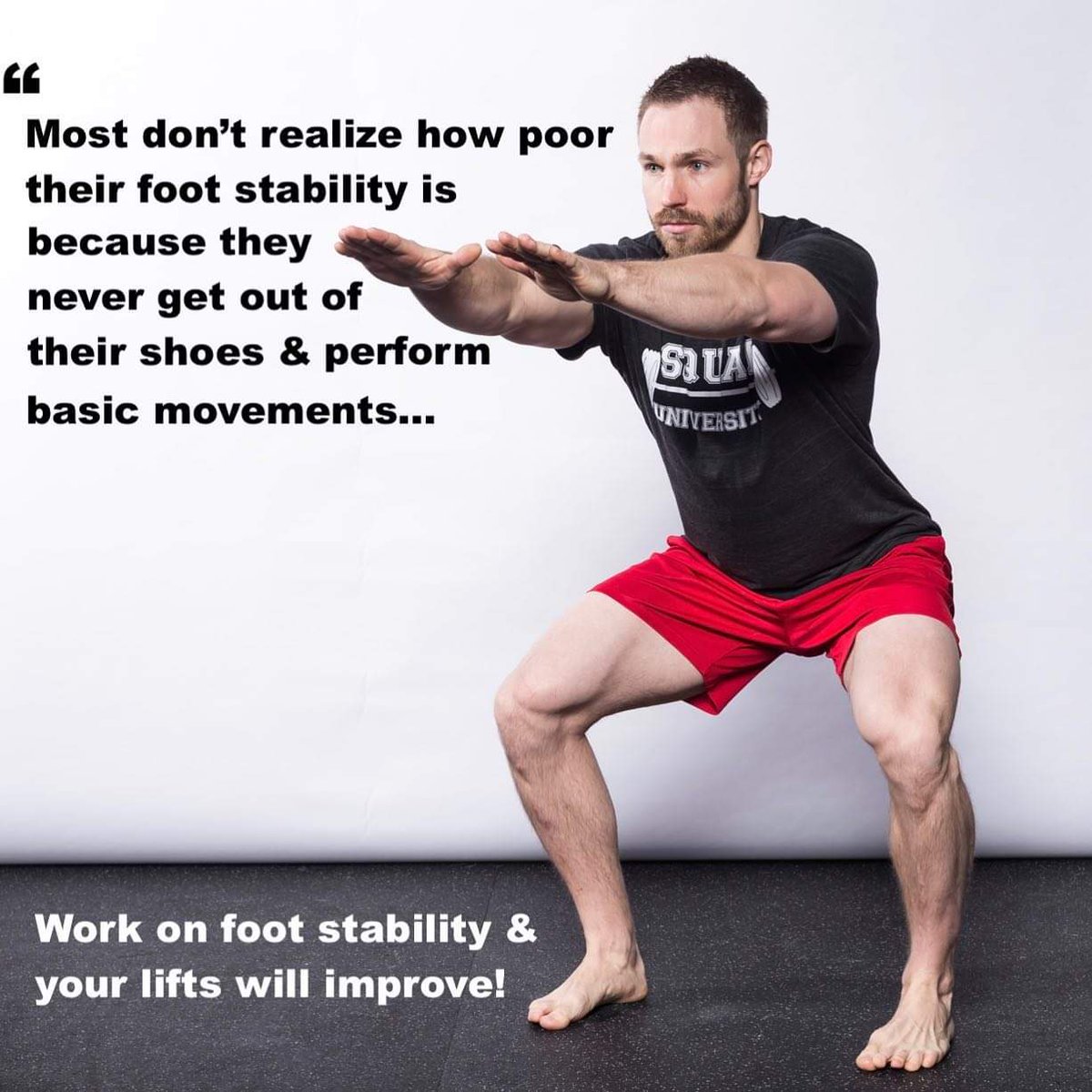
- Weak intrinsic foot muscles. Modern lifestyles often keep us in shoes that do the work for us, leaving the foot’s tiny stabilizers underused.
- Structural issues. Bunions, hammertoes, or a high arch can mechanically block toe spread.
- Aging and inactivity. As we age, connective tissue loses elasticity, and a sedentary routine compounds the problem.
Identifying which of these factors applies to you is the first step toward a more flexible foot.
Practical Stretches and Strengthening Moves
Luckily, you don’t need a specialized clinic to start reclaiming toe freedom. Simple, consistent exercises can make a noticeable difference.
1. Toe‑Spread Drill
While seated, place a small towel on the floor. Use only your toes to scrunch the towel toward you, then push it away, actively spreading the toes as you release. Perform 2‑3 sets of ten repetitions.
2. Heel‑to‑Toe Rock
Stand with feet hip‑width apart. Rock gently from heels to the balls of your feet, allowing the toes to splay naturally at the top of each rock. This dynamic movement warms up the arch and encourages toe spread. Aim for 30 seconds, three times a day.
3. Seated Toe Stretch
Sit with one leg extended. Loop a resistance band around the ball of the foot, holding the ends with both hands. Gently pull the band toward you, feeling a stretch along the bottom of the foot and the space between the toes. Hold for 20‑30 seconds, repeat twice per foot.
4. Barefoot Walking
Whenever safe, walk barefoot on sand, grass, or a soft mat. The uneven surface forces the toes to adapt, naturally improving spread and strengthening the intrinsic muscles.
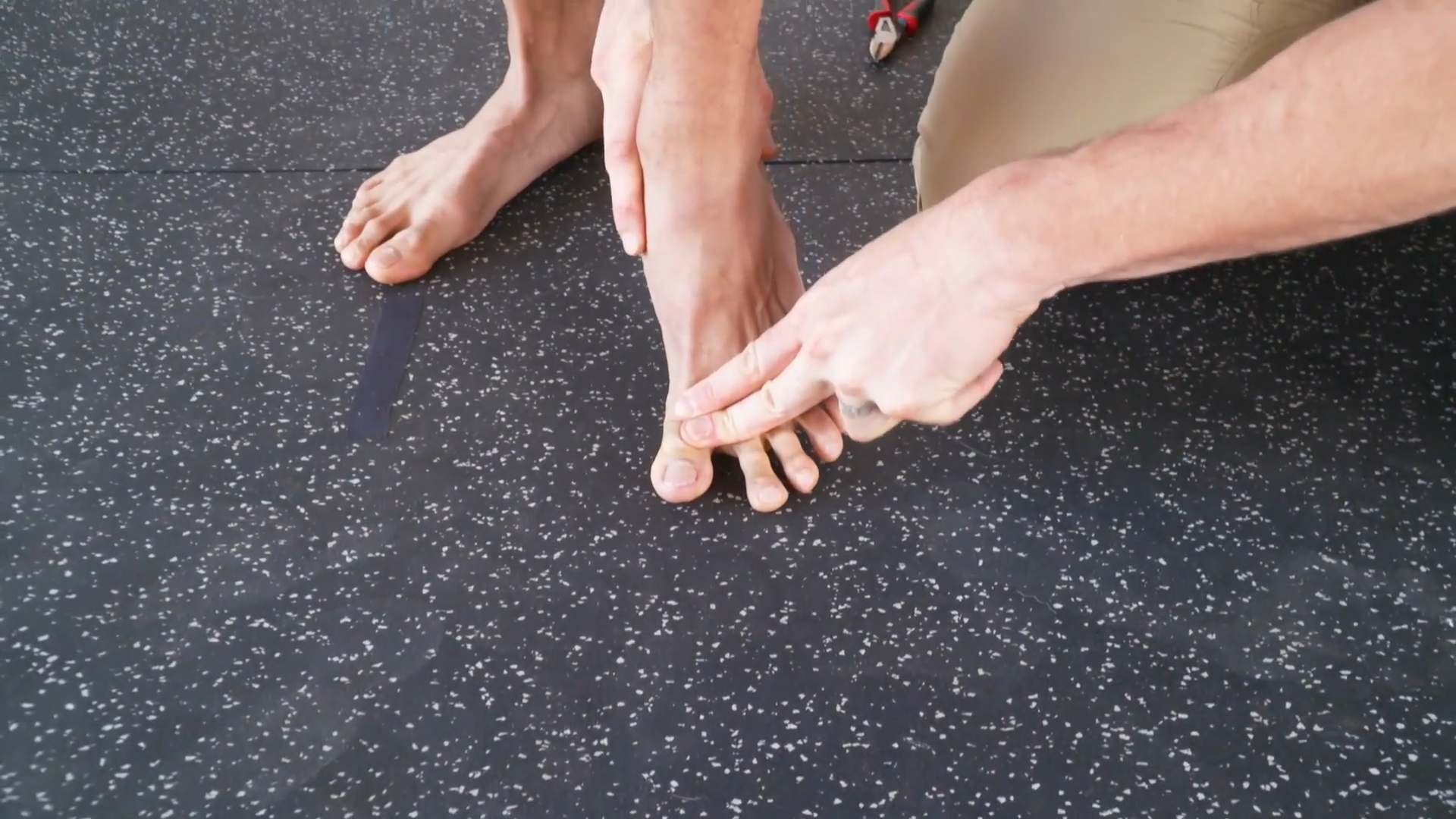
5. Toe Separator Use
Silicone or gel toe spreaders can provide a passive stretch, especially after a long day in restrictive shoes. Wear them for 10‑15 minutes while lounging, not while driving or standing for extended periods.
Consistency is key. Most people notice a subtle increase in flexibility after two to three weeks of daily practice.
When to Seek Professional Help
If you experience sharp pain, persistent swelling, or notice a deformity worsening despite home care, it’s time to consult a podiatrist. Conditions like severe bunions, nerve entrapments, or early-stage arthritis may require orthotics, targeted therapy, or, in rare cases, surgical intervention.
A qualified professional can assess gait, recommend custom shoe inserts, and design a personalized rehab program—often a faster route to relief than trial‑and‑error at home.
FAQ
What causes my toes to feel tight?
Tightness usually stems from a combination of restricted footwear, weak foot muscles, and shortened calf tendons. Structural issues such as bunions can also limit the natural spread.
Can I improve toe flexibility at any age?
Yes. While younger individuals may see quicker gains, even older adults can benefit from gentle stretching and strengthening. Patience and consistency outweigh age.
Are toe spreaders effective?
They can be useful for passive stretching, especially after exercising. However, they work best when paired with active exercises that strengthen the same muscles.
When should I see a podiatrist?
If you notice pain, swelling, or a visible deformity that doesn’t improve with at‑home care, schedule an appointment. Early intervention can prevent more serious problems down the line.